Street Paint: A Bold Graffiti Font for Web Design
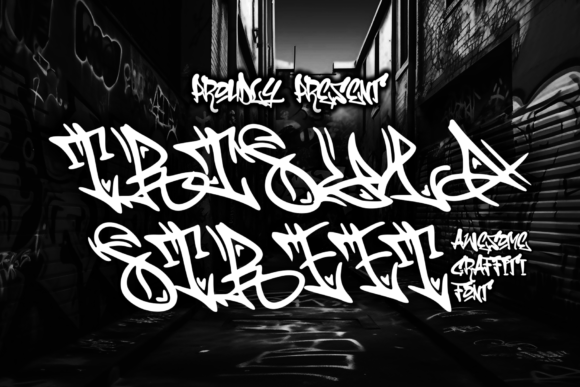
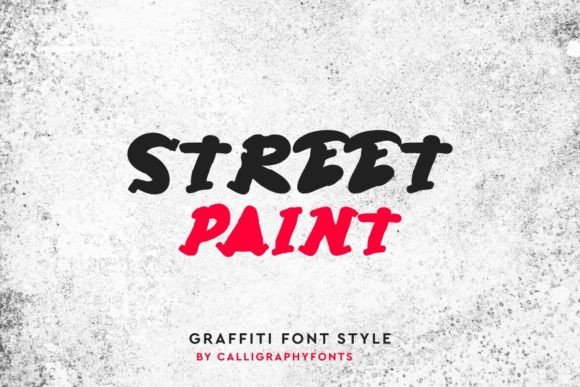
As a web designer, I'm always on the lookout for unique and impactful typefaces that can elevate a digital experience. Recently, I had the opportunity to test Street Paint, a strong graffiti font inspired by street art, in a real website layout. This font, created by CalligraphyFonts, has a thick and slightly spooky look, making it a standout choice for adding a bold, edgy feel to any web project.
Visual Personality and Style of Street Paint
Street Paint is not just any font; it's a statement. The thick, bold strokes and slightly irregular edges give it a raw, urban vibe. Each letter is crafted with care, making it a premium font that stands out in the crowded world of web design. The font's personality is both rugged and artistic, perfect for brands that want to convey a sense of creativity and edge.
Testing Street Paint in Real Web Layouts
I decided to test Street Paint in a few key areas of a creative portfolio site. The first place I used it was in the hero section, where it immediately grabbed attention. The large, bold letters made the headline pop, creating a strong visual hierarchy and drawing the user's eye directly to the most important message. On mobile screens, the font retained its impact, though I did make some adjustments to ensure it remained readable and didn't overwhelm the layout.
Next, I tried Street Paint in the call-to-action (CTA) buttons. The result was striking. The font added a dynamic, energetic feel to the buttons, making them more engaging and inviting. However, I found that using it for smaller text, like form labels or navigation, wasn't as effective. The decorative nature of the font made it less suitable for these more functional elements.
Readability and Responsive Design Considerations
When it comes to readability, Street Paint performs best in larger sizes and short phrases. For example, it worked beautifully in the hero section and CTA buttons, but I wouldn't recommend it for long paragraphs or dense information. In responsive layouts, the font maintained its character, but I made sure to adjust the line height and letter spacing to ensure it remained legible on smaller screens.
For dark backgrounds, Street Paint looked especially dramatic, with the bold, white letters standing out sharply. On light backgrounds, I opted for a darker color to maintain the contrast and visual impact. When used over image overlays, the font's thickness and style helped it stand out, even against busy backgrounds.
Font Pairing and Web Design Integration
To create a balanced and professional look, I paired Street Paint with a clean sans serif font for body copy. This combination allowed the graffiti font to shine in key areas while ensuring the overall content remained easy to read and navigate. For a more editorial feel, I also experimented with a simple serif font, which complemented the edginess of Street Paint nicely.
In the context of a boutique online store, Street Paint could be used for product titles and category headings, adding a unique, artistic touch to the shopping experience. For a coaching website, it could be used in the hero section and key messaging areas to create a memorable and impactful first impression.
Final Thoughts on Using Street Paint in Web Design
Street Paint is a powerful and versatile font that can add a distinctive, edgy flair to your web projects. It's particularly well-suited for hero sections, CTA buttons, and other areas where you want to make a strong visual statement. However, it's important to use it judiciously, as its decorative nature may not be ideal for long text or small, functional elements.
Before integrating Street Paint into your web designs, make sure to check the included styles, webfont availability, file formats, and commercial licensing. This will ensure that you have all the necessary assets and permissions to use the font effectively and legally in your projects.
In summary, Street Paint is a fantastic choice for web designers looking to add a bold, creative touch to their digital experiences. With careful consideration and strategic use, it can significantly enhance the visual appeal and engagement of your websites and online brand identities.