Happy Cute: A Charming Font for Your Brand's Visual Identity
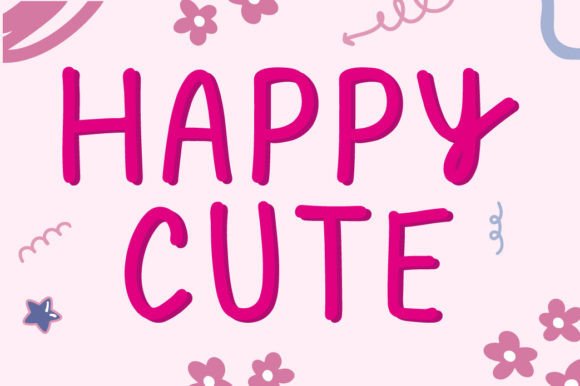
As a small business owner, you know that the right font can make or break your brand's visual appeal. Happy Cute is a delightful, casual, and creative typeface that brings a natural, handwritten charm to your branding, marketing, and customer-facing materials. This premium font is perfect for adding a personal and friendly touch to your business, making it stand out in a crowded market.
The Personality and Style of Happy Cute
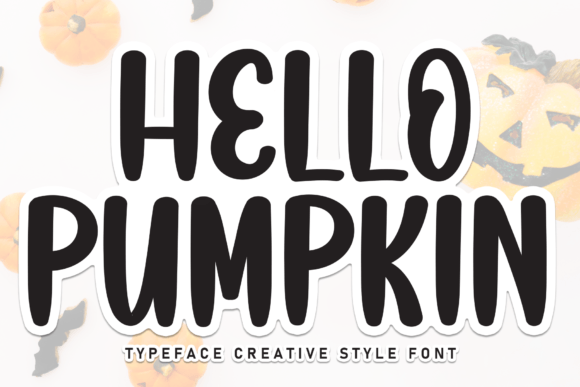
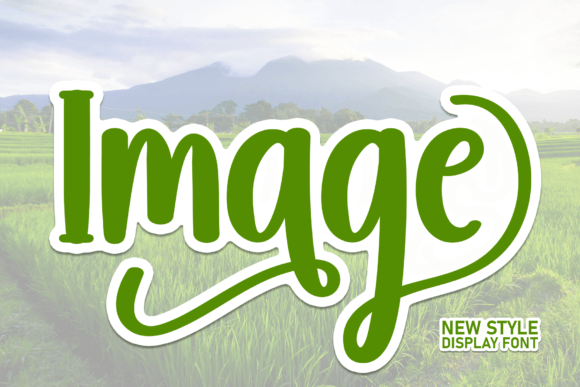
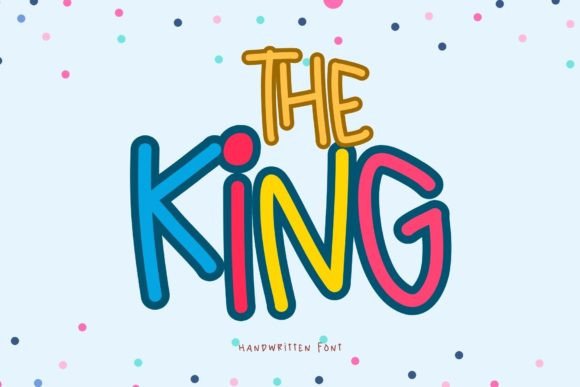
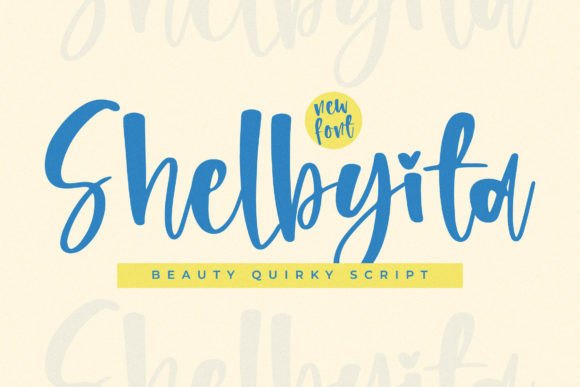
Happy Cute embodies a cheerful and approachable vibe, with its natural-looking handwritten letters. The font's playful yet elegant style makes it ideal for businesses that want to convey a warm, inviting, and professional image. Whether you're a bakery, a handmade candle shop, or a beauty product line, Happy Cute can help you create a consistent and memorable brand identity.
Real-World Business Applications
Happy Cute is incredibly versatile and can be used in a variety of business materials:
- Logos and Branding: Use Happy Cute to create a unique and recognizable logo that captures the essence of your brand. Its handwritten style adds a personal touch that can make your brand more relatable and trustworthy.
- Business Cards and Stationery: Add a touch of personality to your business cards, letterheads, and envelopes. Happy Cute can help you stand out and leave a lasting impression on your clients and partners.
- Product Labels and Packaging: Enhance the appeal of your product packaging with Happy Cute. Whether it's a label for a handmade candle or a tag for a boutique item, this font can make your products look more professional and high-quality.
- Menus and Flyers: For café owners and event planners, Happy Cute can add a charming and inviting feel to your menus, flyers, and promotional materials. It’s perfect for creating a welcoming atmosphere.
- Website Banners and Social Media Graphics: Use Happy Cute to create eye-catching website banners, Instagram posts, and Pinterest graphics. Its readability and visual appeal make it a great choice for digital content.
When to Use Happy Cute
Happy Cute is best used as a headline, logo, or display font. Its expressive and decorative nature makes it a standout choice for titles and key messaging. However, it’s important to balance it with a clean and readable supporting typeface, such as a sans serif or a simple serif font, to ensure overall readability and professionalism.
Testing and Readability
Before fully integrating Happy Cute into your brand, it’s crucial to test its readability across different platforms and sizes. Try using it on small labels, mobile screens, and printed materials to ensure it remains legible and visually appealing. This step will help you avoid any potential issues and ensure that your brand looks polished and professional.
Font Pairing Ideas
To create a balanced and cohesive design, consider pairing Happy Cute with a clean and modern typeface. Here are some practical pairing ideas:
- With a Sans Serif Font: Combine Happy Cute with a clean and simple sans serif font like Arial or Helvetica. This pairing works well for creating a modern and professional look while maintaining a friendly and approachable vibe.
- With a Serif Font: Pair Happy Cute with a classic serif font like Times New Roman or Georgia. This combination adds a touch of elegance and sophistication, making it suitable for more formal or traditional brands.
Commercial Licensing
Before using Happy Cute on your products, packaging, templates, or digital downloads, make sure to check the commercial font licensing. This step is essential to ensure that you have the right permissions and to avoid any legal issues. Most premium fonts, including Happy Cute, come with clear guidelines on their usage, so always review these before proceeding.
In conclusion, Happy Cute is a fantastic addition to your design assets, offering a unique and charming way to enhance your brand's visual identity. By using it thoughtfully and strategically, you can create a consistent, professional, and memorable brand that resonates with your target customers.